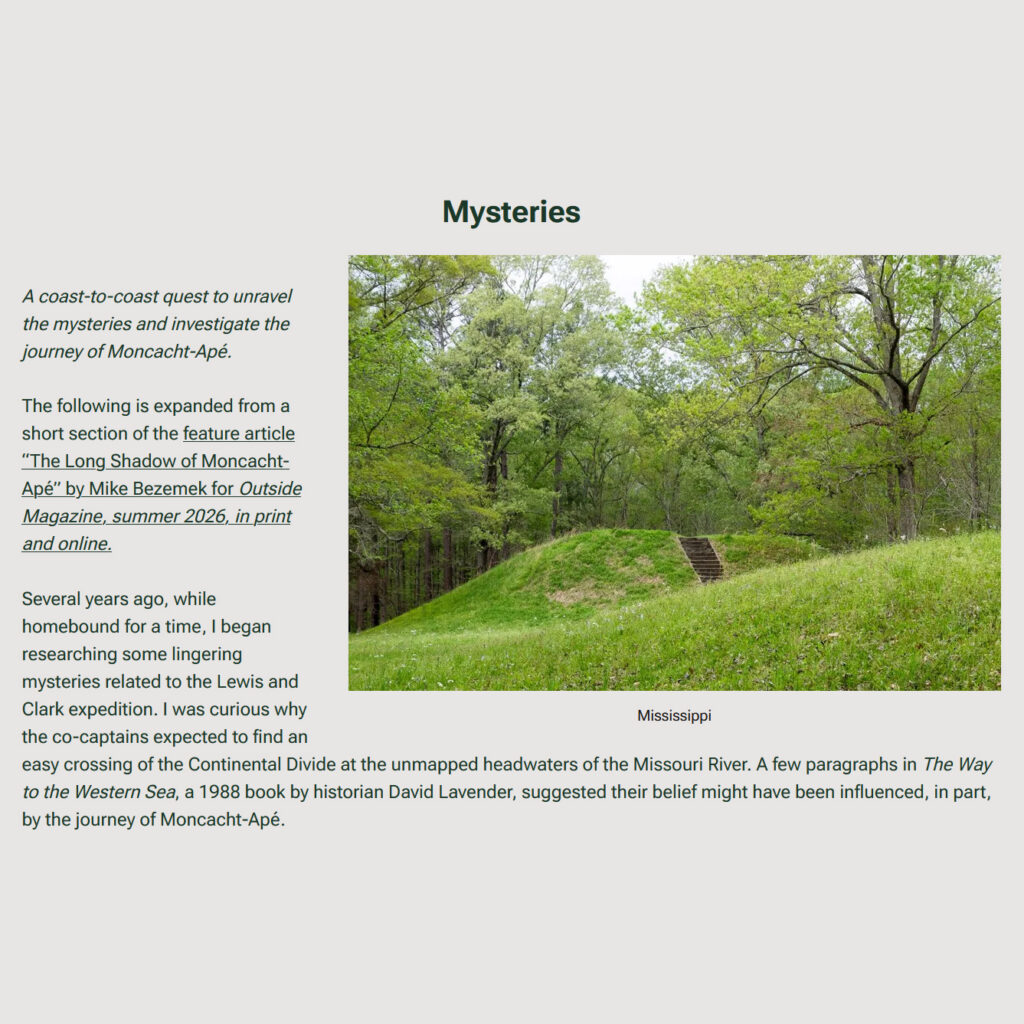
Before Lewis and Clark, there was Moncacht-Apé.
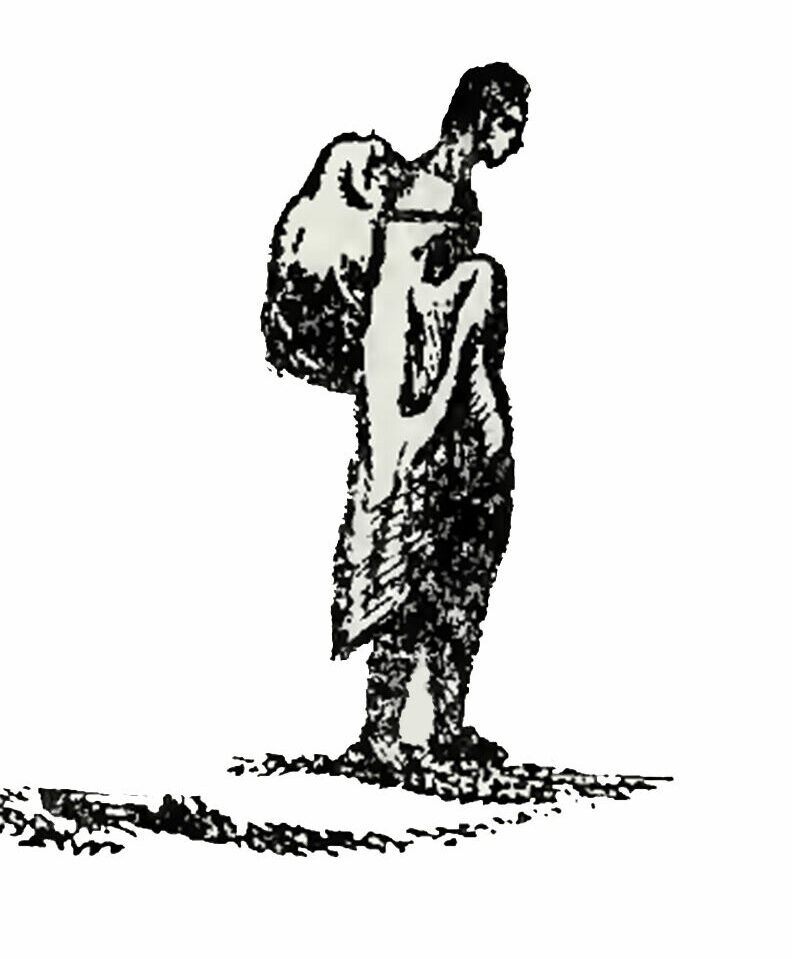
He was a Native explorer from the Yazoo Nation in the Mississippi Valley, who claimed to spend eight years crossing the entire continent around the 1690s.
Traveling on foot and by dugout canoe, Moncacht-Apé went from tribe to tribe, learning their languages and asking about the origin of their shared ancestors.
After first visiting the Atlantic, he eventually reached the Pacific Coast over a century before Lewis and Clark.
(For a brief overview of Moncacht-Apé’s travels, visit the Journey page on the project website.)
After Lewis and Clark, Moncacht-Apé was forgotten.
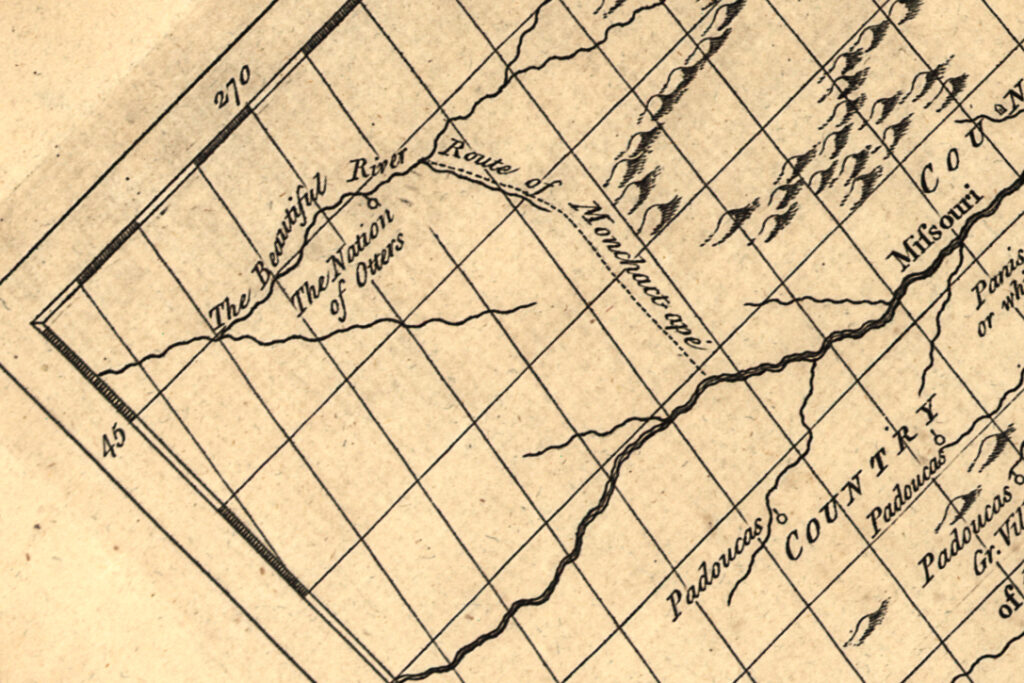
In the mid-1720s, Moncacht-Apé told his story to a French colonist, who later published the account in Paris. For about fifty years, the journey was accepted as true.
Until the Lewis and Clark Expedition, that is.
Afterward, the Yazoo explorer’s journey was mostly dismissed as unlikely by U.S. historians for various reasons, including geographic inconsistencies, racial bigotry, and nationalistic sentiments.
(If you want to learn more about why Moncacht-Apé’s journey was dismissed and his story forgotten, check out the mysteries page on the project website.)
Indigenous knowledge, and an adventurous investigation, reveals new evidence.
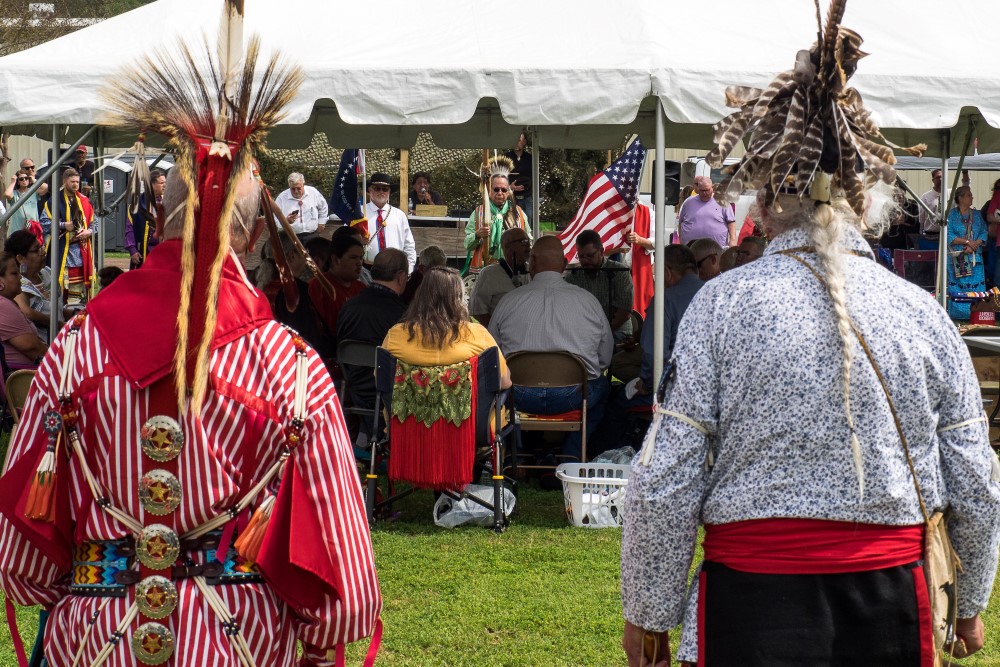
When I stumbled across Moncacht-Apé’s account, it not only sounded authentic, but I partly recognized his route from my past fieldwork on exploration history. Gradually, I came to understand why historians had been looking in the wrong place for three centuries.
So, I hit the road and followed the clues from the Mississippi Valley to the Rocky Mountains, the Olympic Peninsula, and beyond. Along the way, I met with Native authorities, tribe members, and historians in hopes that together we could decipher the account and prove the journey happened. There were so many revelations, it was spine-tingling.
(Check out maps, a new translation, and more about the journey and mystery on the project website.)
Follow the thrilling search for Moncacht-Apé.
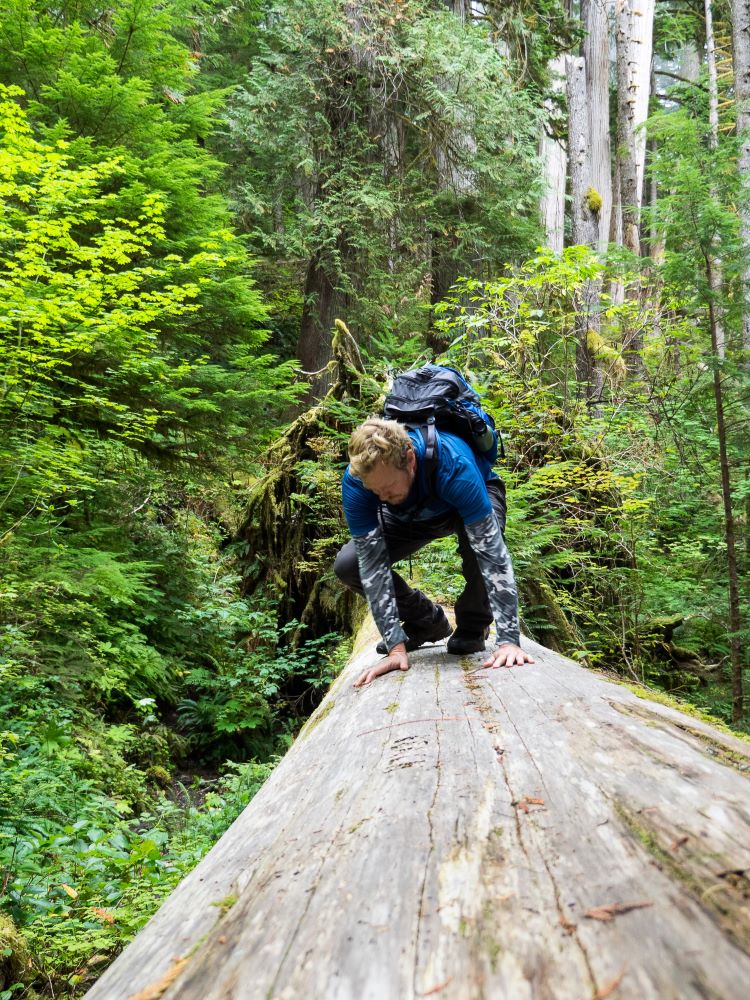
Currently, I’m working toward a book about the exciting coast-to-coast quest to unravel the mysterious journey of Moncacht-Apé.
In the meantime, you can learn more about the mystery, investigation, and journey of Moncacht-Apé.
Below please find links to articles, interviews, and the project website.
.
.
Read “The Long Shadow of Moncacht-Apé” for Outside Magazine.
Follow the thrilling search for Moncacht-Apé! In this feature for Outside Magazine, the author tracks the mysterious journey from the Mississippi River bluffs of French Louisiana to the ancestral paths of the Rocky Mountains and the rain forests of the Olympic Peninsula. Along the way, Native authorities help reveal stunning new evidence about this forgotten explorer who reached the Pacific a century before Lewis & Clark. Now available at www.OutsideOnline.com!

Listen to (or read) this interview with Oregon Public Broadcasting.
From Oregon Public Broadcasting: “Lewis and Clark are often thought of as some of the earliest explorers of the western U.S. But more than a century before, Moncacht-Apé, a Yazoo explorer, reached the Pacific Ocean mainly by foot. The Indigenous explorer’s accounts were documented by French colonists, but were often dismissed as being untrue. But as featured in an article in Outside Magazine, historians and explorers may have been looking at the accounts all wrong.” Listen to this 20-minute podcast interview with Think Out Loud!

Learn more by exploring the project website.
Dive into the collaborative investigation, which combines interdisciplinary practices and Indigenous knowledge, revealing stunning new evidence that helps unravel a dramatic true journey. Learn more at the project website!